

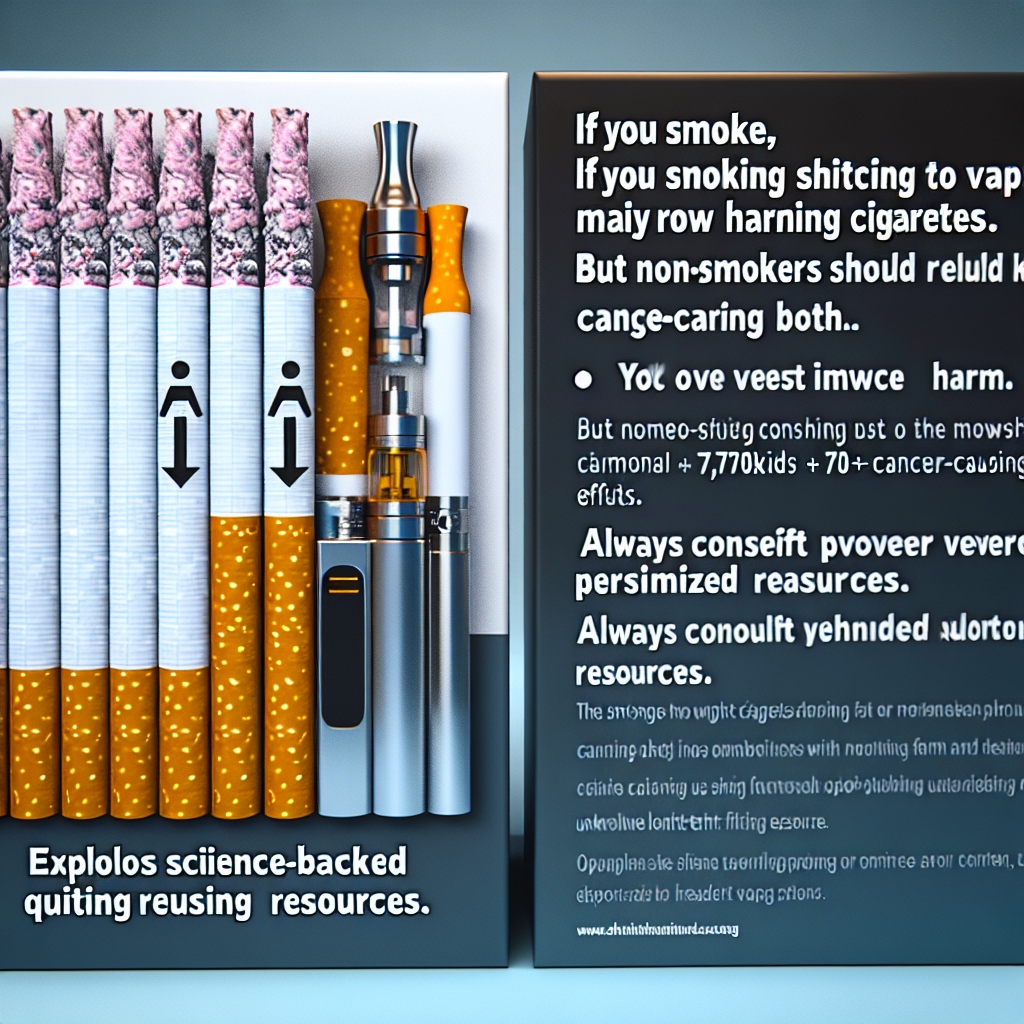
Introduction to the Debate – Are Vapes Worse Than Cigarettes?
The question “Are vapes worse than cigarettes?” has sparked heated debates among health experts, policymakers, and smokers alike. As vaping gains popularity—especially among younger demographics—it’s critical to dissect the nuances of this comparison. While traditional cigarettes have a well-documented history of harm, vaping’s relative novelty leaves many wondering whether it’s a safer alternative or a wolf in sheep’s clothing.
The Rise of Vaping: A Double-Edged Sword
Vaping emerged in the early 2000s as a “healthier” alternative to smoking, with e-cigarettes marketed as tools for harm reduction or smoking cessation. Devices like Juul and disposable vapes quickly gained traction, partly due to sleek designs and flavors ranging from mango to mint. However, this rapid adoption also raised alarms. By 2019, the U.S. saw an outbreak of vaping-related lung injuries (EVALI), with over 2,800 hospitalizations linked to vitamin E acetate in THC vapes. This incident forced the public to ask: Are vapes worse than cigarettes, or are they simply misunderstood?
Key Differences: Chemicals and Consumption
To address “Are vapes worse than cigarettes?”, we must compare their core components:
- Cigarettes: Burn tobacco, releasing tar, carbon monoxide, and 7,000+ chemicals (70+ carcinogens).
- Vapes: Heat nicotine-laced e-liquids (propylene glycol, vegetable glycerin, flavorings), producing aerosols—not smoke.
While vaping eliminates combustion-related toxins, it introduces other risks. For example, a 2018 study by the National Academies of Sciences noted that e-cigarettes likely expose users to fewer toxicants than cigarettes—but also flagged concerns about nicotine addiction and potential lung irritation from flavoring agents like diacetyl.
Expert Opinions: A Divided Landscape
Dr. Neal Benowitz, a UCSF tobacco researcher, argues that “for adult smokers, switching to vaping reduces exposure to lethal carcinogens.” Conversely, the World Health Organization (WHO) warns that vaping may “normalize nicotine use and gateway youth to smoking.” This dichotomy underscores why the question “Are vapes worse than cigarettes?” lacks a one-size-fits-all answer.
Real-World Analogies: The Seatbelt Paradox
Think of vaping like seatbelts in cars. Seatbelts save lives but aren’t safe—just safer than being thrown through a windshield. Similarly, Public Health England estimates vaping is 95% less harmful than smoking. Yet, as Dr. Stanton Glantz (UCSF) cautions, “less harmful doesn’t mean harmless.”
Why This Debate Matters
For smokers contemplating a switch, the query “Are vapes worse than cigarettes?” is existential. While vaping may reduce harm for current smokers, its appeal to non-smokers—especially teens—poses new public health challenges. The CDC reports that in 2023, 14% of high schoolers vaped regularly, lured by flavors and social media trends.
Breaking Down the Risks – Are Vapes Truly Worse Than Cigarettes?
Short-term, vaping has been linked to acute lung injuries (e.g., EVALI), but long-term data remains sparse. Public Health England estimates vaping is 95% less harmful than smoking—for current smokers only.
Quick Facts:
- Cigarettes: 7,000+ chemicals, 70+ carcinogens.
- Vapes: Fewer toxins but concerns about youth appeal and unknown long-term effects.
Bottom Line: If you smoke, switching to vaping may reduce harm—but non-smokers should avoid both. Always consult healthcare providers for personalized advice.
Explore science-backed quitting resources: Devil Mist.
 English